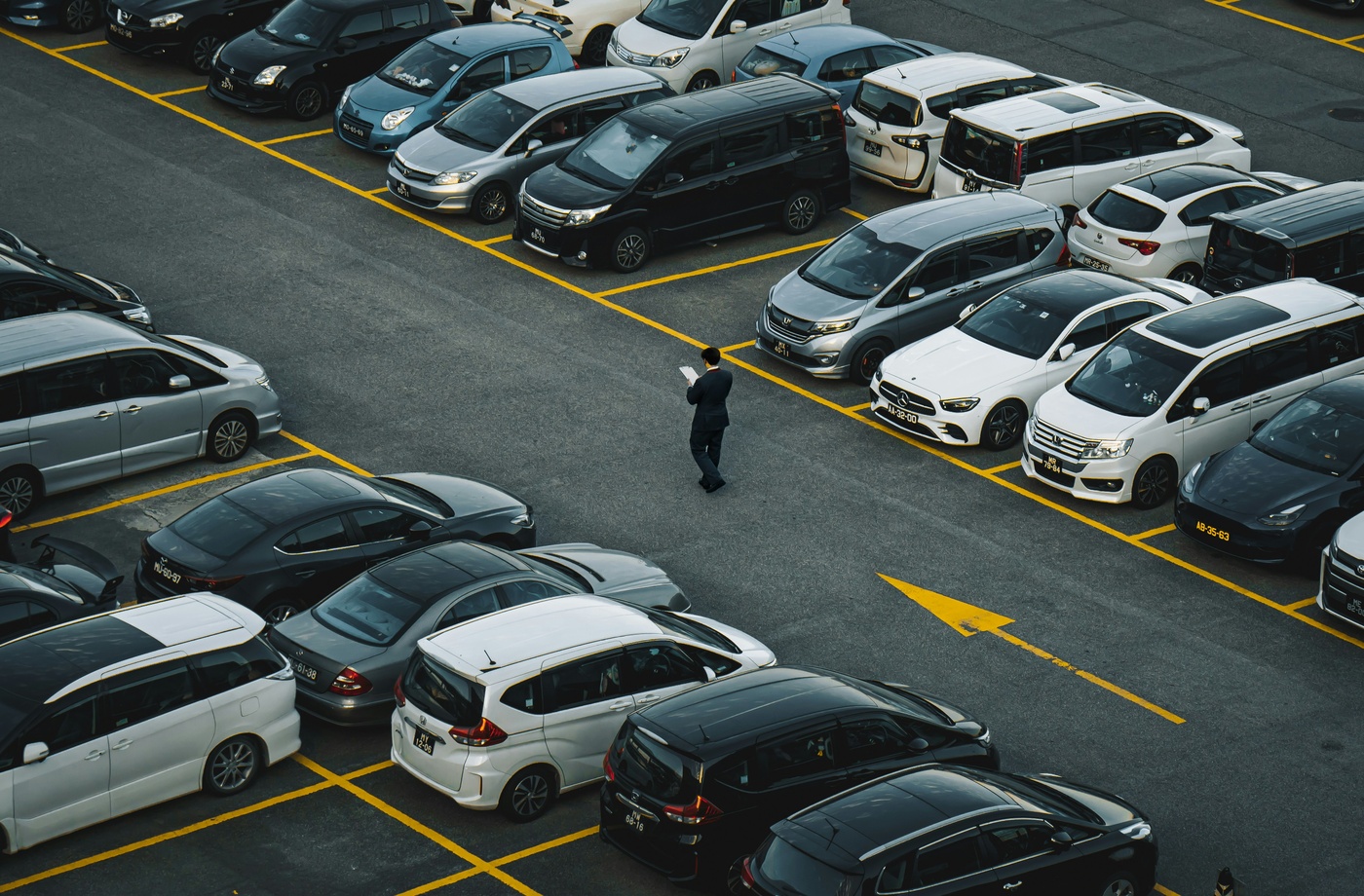
Parking in busy urban areas is already expensive, but nothing adds frustration like returning to your car and finding a ticket on the windshield. Parking fines can range from $25 to more than $100 depending on the city, and repeat violations may even result in towing. By understanding local rules and adopting smarter parking habits, you can avoid unnecessary costs.
Know the Local Rules Before You Park
Every city has its own regulations, and what’s legal in one place could earn you a fine in another. For example, in New York City, alternate-side parking rules are strictly enforced, while in Los Angeles, restrictions are common during street cleaning. Always check official resources such as the NYC DOT Parking Regulations or the Los Angeles Department of Transportation.
Read Signs Carefully
Street signs can be confusing, especially when multiple restrictions are stacked on one pole. Look for time limits, resident-only designations, or temporary event restrictions. A quick check before leaving your car can prevent an expensive mistake.
Use Parking Apps for Accuracy
Apps like ParkMobile and PayByPhone allow you to pay digitally and receive notifications before your time expires. Some cities also allow you to extend your session directly through the app, helping you avoid overtime fines.
Avoid Common Ticket Triggers
- Parking too close to fire hydrants, driveways, or crosswalks.
- Ignoring posted loading zone restrictions.
- Staying past the meter time without renewal.
- Parking in “No Standing” or “No Stopping” zones.
Simple awareness of these rules can prevent most tickets.
Plan for Special Events and Street Closures
Large events often trigger temporary parking bans. Cities usually publish this information on local government websites. Checking ahead before attending parades, festivals, or sporting events can keep you from costly surprises.
Final Word
Parking tickets are largely avoidable if you take time to read signs, use reliable apps, and stay aware of local restrictions. Staying proactive not only saves money but also ensures you’re not stressed about returning to your car after a busy day in the city.